With sushi box near me at the forefront, discover the evolution of sushi boxes and their significant impact on food packaging technology, as well as the innovative designs that reduce waste and increase sustainability. From ancient materials to modern designs, this journey will showcase the best of sushi box innovations that have changed the way we enjoy Japanese cuisine.
The rise of bento culture has also brought about fascinating sushi box menus, offering a mix of variety, convenience, and healthy eating options. Popular sushi box menu item trends and their appeal to diverse customer bases will be explored, highlighting the perfect combination of flavors and nutrients in each dish.
The Evolution of Sushi Boxes and Their Impact on Food Packaging Technology

The history of sushi boxes is a fascinating tale of innovation and sustainability. From ancient materials to modern designs, the evolution of sushi boxes has been shaped by environmental factors and technological advancements. In this section, we will explore the key milestones in the development of sushi boxes and their impact on food packaging technology.
The earliest known sushi boxes date back to ancient China and Japan, where bamboo and wood were used for packaging and serving food. However, it wasn’t until the 19th century that modern sushi boxes began to take shape. In the early 20th century, the introduction of plastic and other synthetic materials revolutionized the production of sushi boxes, making them more durable, lightweight, and affordable.
Key Innovations in Sushi Box Design
The evolution of sushi boxes has been marked by several key innovations that have contributed to reducing waste and increasing sustainability. Some of the most significant advancements include:
- Biodegradable Materials: In recent years, sushi box manufacturers have begun to use biodegradable materials such as cornstarch, sugarcane, and potato starch. These materials are not only eco-friendly but also compostable, reducing waste and the carbon footprint associated with traditional plastic packaging.
- Compostable Packaging: Compostable packaging is another area where sushi box manufacturers are innovating. Made from materials like PLA (polylactic acid) and PBAT (polybutylene adipate-co-butylene terephthalate), compostable packaging is designed to break down quickly and easily in composting facilities, reducing waste and the need for landfills.
- Eco-Friendly Printing: Sushi box manufacturers are also exploring eco-friendly printing options, such as soy-based inks and water-based coatings. These alternatives reduce the environmental impact associated with traditional printing methods and create a more sustainable product.
- Minimalist Design: Simplifying the design of sushi boxes has also contributed to reducing waste and increasing sustainability. By minimizing the amount of packaging material used, manufacturers can reduce waste and the carbon footprint associated with transportation and production.
- Upcycled Materials: Some sushi box manufacturers are now using upcycled materials, such as recycled plastic and cardboard, to create unique and sustainable packaging solutions.
Eco-Friendly Materials and Production Methods
Sushi box manufacturers are incorporating eco-friendly materials and production methods to reduce waste and increase sustainability. Some examples include:
- FSC-Certified Bamboo: Some sushi box manufacturers are now using FSC-certified bamboo, which ensures that the bamboo is harvested sustainably and with minimal environmental impact.
- Organic Materials: Organic materials like bamboo, sugarcane, and potato starch are being used to create sustainable sushi boxes that are free from pesticides and synthetic fertilizers.
- Sustainable Printing: Some manufacturers are using sustainable printing methods like soy-based inks and water-based coatings to reduce the environmental impact associated with traditional printing methods.
- Recycled Materials: Sushi box manufacturers are now using recycled materials like recycled plastic and cardboard to create unique and sustainable packaging solutions.
Examples of Sustainable Sushi Boxes, Sushi box near me
Several companies are now offering sustainable sushi boxes that are made from eco-friendly materials and produced using environmentally friendly methods. Some examples include:
- Morinaga: Morinaga, a leading Japanese food company, has developed a line of sustainable sushi boxes made from compostable materials like cornstarch and sugarcane.
- Daikin: Daikin, a Japanese manufacturer, has introduced a range of sustainable sushi boxes made from recycled materials like recycled plastic and cardboard.
- Omnichannel: Omnichannel, a US-based company, offers a range of sustainable sushi boxes made from eco-friendly materials like bamboo and sugarcane.
The future of sushi boxes lies in sustainability and innovation. As consumers become increasingly conscious of the environmental impact of packaging, sushi box manufacturers must adapt to meet the changing demands of the market.
Sushi Box Delivery Services and Food Safety Regulation

As the sushi box delivery industry continues to grow, ensuring the quality and safety of the food being delivered has become a top priority. With the risk of contamination and foodborne illness always present, it’s essential to understand the regulations and guidelines that govern food delivery services.
Temperature Control and Handling Procedures
Food delivery services are subject to various regulations, including temperature control and handling procedures, to ensure the quality and safety of the food being delivered. For sushi boxes, this means maintaining a consistent temperature, typically between 32°F and 40°F (0°C and 4°C), to prevent bacterial growth and contamination. To achieve this, delivery services use insulated containers with ice packs or heat packs, as necessary, to maintain the temperature during transportation.
“Temperature is a critical control point in the delivery of perishable foods like sushi.” – FDA Guidelines
In addition to temperature control, food delivery services must also adhere to strict handling procedures, including proper hand washing, glove use, and food handling practices to prevent cross-contamination.
Regulations Governing Food Delivery Services
In the United States, the Food and Drug Administration (FDA) regulates food delivery services under the Food Safety Modernization Act (FSMA). The FSMA requires food delivery services to implement a Hazard Analysis and Critical Control Points (HACCP) plan, which identifies potential hazards and Artikels steps to prevent or control them. Sushi box delivery services must also maintain accurate records of temperatures, handling practices, and other relevant information to ensure compliance with FSMA regulations.
Measures Taken by Sushi Box Delivery Services
To ensure the quality and freshness of their products, sushi box delivery services take the following measures:
- Partnering with reputable restaurants and suppliers: Sushi box delivery services partner with reputable restaurants and suppliers that adhere to strict food safety guidelines and regulations.
- Maintaining accurate temperature controls: Delivery services use insulated containers with temperature control systems to maintain a consistent temperature during transportation.
- Implementing HACCP plans: Sushi box delivery services implement HACCP plans to identify potential hazards and Artikel steps to prevent or control them.
- Maintaining accurate records: Delivery services maintain accurate records of temperatures, handling practices, and other relevant information to ensure compliance with FSMA regulations.
- Providing ongoing training: Delivery services provide ongoing training to drivers and staff on food safety and handling practices.
Ultimate Conclusion: Sushi Box Near Me
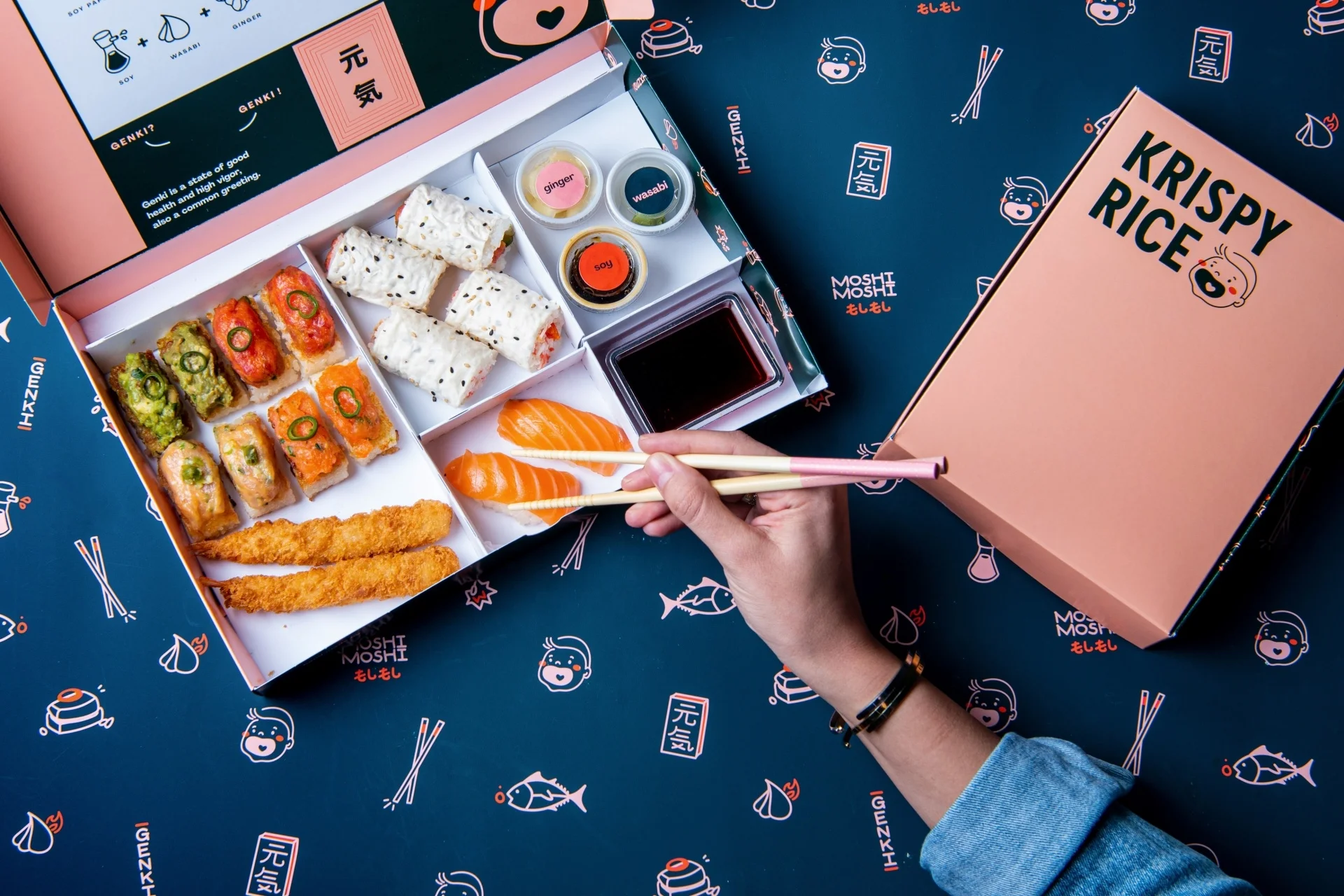
The sushi box near me journey doesn’t stop there. From local sushi box providers to sushi box delivery services, and even to customization options for sushi box catering events, every aspect of the industry will be explored to provide you with the ultimate sushi box experience. Whether you’re looking for convenience, quality, or something special, sushi box near me has got you covered.
FAQ Summary
Q: What is the best way to store sushi boxes to maintain freshness?
A: Store sushi boxes in a cool, dry place, away from direct sunlight and heat sources. It’s also recommended to refrigerate sushi boxes as soon as possible after receiving them.
Q: Can I customize my sushi box menu items to suit my dietary needs?
A: Yes, most sushi box catering services offer customization options for different dietary needs, including vegan and gluten-free options. Be sure to ask your provider about their customization options.
Q: Are sushi box delivery services safe and reliable?
A: Reputable sushi box delivery services follow strict food safety guidelines, including proper food handling and storage, to ensure the quality and freshness of their products. However, it’s always a good idea to verify the provider’s food safety record and reviews before placing an order.

