Coolant leak repair near me is an essential maintenance task for your vehicle’s engine performance and safety. A coolant leak can lead to temperature fluctuations, engine noises, and even engine damage or fires if left unattended. Regular checks can prevent these issues and ensure your vehicle runs smoothly.
So, what are the warning signs of a coolant leak? They include puddles under the engine, sweet-smelling odors, and temperature fluctuations. These symptoms can be caused by various factors, such as long drives, extreme weather conditions, or old age of the vehicle. In this article, we will discuss the importance of a coolant leak repair and the steps to identify, diagnose, and fix the issue.
Understanding the Importance of Identifying a Coolant Leak in a Vehicle
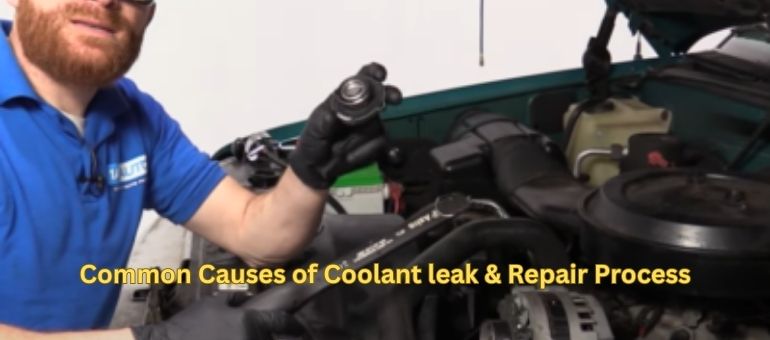
When your vehicle’s engine temperature rises, the engine’s efficiency decreases, and severe damage can occur if it overheats. A coolant leak is a common issue that can lead to extensive repairs and compromise your vehicle’s safety features.
A coolant leak can have severe consequences on your vehicle’s engine performance and safety. When coolant escapes from the system, it can cause the engine to overheat, resulting in damage to critical components like the heads, block, and cylinder walls. Additionally, a coolant leak can lead to corrosion of metal components, causing further damage and potentially resulting in engine failure.
Common Symptoms and Signs of a Coolant Leak
Identifying a coolant leak is crucial before it leads to major problems. If you notice any of the following symptoms, have your vehicle checked by a professional mechanic.
– Temperature Fluctuations: If your vehicle’s temperature gauge is constantly fluctuating, it may indicate a coolant leak. Keep an eye on the temperature gauge to catch any unusual readings.
– Engine Noises: Coolant leaks can cause unusual noises like hissing, gurgling, or clunking sounds. Listen carefully to these sounds and investigate their source.
– Low Coolant Level: Regularly check the coolant level in your vehicle’s reservoir. A decrease in the level could indicate a leak.
– White or Green Fluid Leaks: Coolant leaks often appear as white or green fluid on the ground below the vehicle. If you notice any unusual fluid, inspect the engine and surrounding areas for leaks.
Consequences of Ignoring a Coolant Leak
Neglecting to address a coolant leak can result in serious engine damage, leading to costly repairs or even engine failure. Some potential consequences include:
– Head Gasket Failure: Excessive heat can cause head gasket failure, leading to engine damage and costly repairs.
– Engine Overheating Damage: Prolonged exposure to high temperatures can damage critical engine components, such as the cylinder walls, block, and heads.
– Fire Risk: In extreme cases, a coolant leak can lead to a fire if the mixture of coolant and heat ignites, causing catastrophic damage to your vehicle.
Preventing Coolant Leaks
Maintaining your vehicle’s cooling system is essential in preventing coolant leaks. Follow these tips to ensure a leak-free cooling system:
– Regular Maintenance Checks: Schedule regular maintenance checks with your trusted mechanic to identify any potential issues with your cooling system.
– Coolant Level Checks: Regularly check the coolant level in your vehicle’s reservoir to prevent overflows and leaks.
– Coolant Mix Ratios: Use the correct coolant mix ratio to prevent damage to your engine and cooling components.
– Inspect Hoses and Connections: Regularly inspect hoses and connections for signs of damage or corrosion to prevent leaks.
Inspection and Repair
If you suspect a coolant leak, have your vehicle inspected by a certified mechanic. They will identify the source of the leak and recommend the necessary repairs to prevent further damage to your engine.
Recognizing the Warning Signs of a Coolant Leak Repair Near Me
Identifying a coolant leak as soon as possible is crucial to prevent engine damage and ensure safe driving conditions. A coolant leak can occur due to various reasons, including aging engine components, excessive engine heat, or damage caused by external factors such as road debris or potholes.
Situations that May Trigger a Coolant Leak
A coolant leak is more likely to occur under specific conditions, such as:
- After a long drive, especially during high-temperature conditions, when the engine is subjected to excessive heat for an extended period.
- During extreme weather conditions, such as freezing temperatures, when the coolant may freeze and cause damage to the engine components.
- After hitting a pothole or driving on rough roads, which can cause damage to the engine components and lead to a coolant leak.
Common Signs and Symptoms of a Coolant Leak
If you notice any of the following signs, it’s essential to have your vehicle inspected and repaired as soon as possible:
| Signs and Symptoms | Possible Causes | What to Do |
|---|---|---|
| Puddles under the engine | Coolant leak due to damaged engine components or faulty hoses | Have your vehicle inspected and repaired as soon as possible to prevent engine damage |
| Sweet-smelling odors | Coolant leak due to a cracked engine block or head gasket | Have your vehicle inspected and repaired as soon as possible to prevent engine damage |
Note: If you notice any signs of a coolant leak, do not drive your vehicle further. It can cause severe engine damage and potentially lead to costly repairs.
Locating Reliable Mechanic Services for Coolant Leak Repair Near You
Choosing the right mechanic for your coolant leak repair is a crucial decision to ensure the longevity and reliability of your vehicle. A reputable mechanic will not only diagnose and fix the issue but also provide expert advice on maintaining your vehicle’s overall health. To find a trusted mechanic near you, consider seeking recommendations from friends, family, or online review platforms.
Asking the Right Questions Before Hiring a Mechanic
When searching for a mechanic to repair a coolant leak, it’s essential to ask the right questions to ensure you’re hiring a reliable professional. Consider asking about their experience with similar repairs, certifications, and qualifications. This will give you an idea of their expertise and ability to handle complex repairs.
* Experience with similar repairs: Ask about their experience with coolant leak repairs, specifically with vehicles of your make and model. This will help you determine if they have the necessary knowledge and skills to tackle the repair.
* Certifications and qualifications: Look for mechanics who are certified by recognized organizations such as the National Institute for Automotive Service Excellence (ASE) or the Automotive Service Association (ASA). This ensures they have the necessary training and expertise to perform repairs safely and effectively.
* Reviews and references: Ask for references from previous customers or check online review platforms such as Yelp or Google Reviews. This will give you an idea of their work quality and customer satisfaction.
Comparing Coolant Leak Repair Options
When deciding on a coolant leak repair, consider the options available: do-it-yourself kits, professional services, or a combination of both. Each option has its pros and cons, and it’s essential to weigh the benefits and drawbacks before making a decision.
* Do-it-yourself kits: These kits are available at most auto parts stores or online retailers. They typically include the necessary materials and instructions to repair a coolant leak. However, they may require specialized tools and expertise, and improper repair can lead to further damage.
* Professional services: Hiring a professional mechanic will ensure a proper diagnosis and repair. They will also provide a warranty for their work and can offer expert advice on maintaining your vehicle’s overall health. However, professional services can be more expensive, and the repair may take longer to complete.
* Combination of both: Some mechanics may offer a do-it-yourself repair guide with their professional services. This can be a cost-effective option, but it’s essential to ensure the mechanic provides proper guidance and support throughout the repair process.
Cost-Effectiveness of Coolant Leak Repair
The cost of coolant leak repair can vary depending on the severity of the issue, the type of repair, and the mechanic’s expertise. However, with proper maintenance and regular inspections, you can minimize the risk of costly repairs down the road.
* Regular inspections: Regularly checking your vehicle’s coolant levels and condition can help identify potential issues before they become major problems.
* Proper maintenance: Following the manufacturer’s recommended maintenance schedule and using the right materials can help prevent coolant leaks and other issues.
* DIY repair: With the right tools and expertise, you can attempt to repair a coolant leak yourself. However, improper repair can lead to further damage, and it’s essential to weigh the risks and benefits before deciding on a DIY repair.
Conclusion
Locating a reliable mechanic for coolant leak repair near you is crucial to ensuring the longevity and reliability of your vehicle. By asking the right questions, comparing repair options, and considering the cost-effectiveness of the repair, you can make an informed decision that meets your needs and budget.
Step-by-Step Cooling System Repair Methods and Procedures
Properly diagnosing a cooling system leak is crucial to prevent further damage to the engine and ensure the safety of the vehicle’s occupants. A leak in the cooling system can lead to a loss of cooling fluid, resulting in overheating, engine damage, and potentially even a fire. To diagnose a cooling system leak, mechanics use a combination of visual inspections, diagnostic tools, and techniques.
Diagnostic Tools and Techniques
When diagnosing a cooling system leak, mechanics use various tools and techniques to identify the source of the leak. Some common diagnostic tools used to diagnose a cooling system leak include:
- Dye testing: This involves adding a colored coolant to the cooling system to track the movement of the fluid and identify any leaks. The colored coolant can be seen leaking from the engine’s components, making it easier to locate the source of the leak.
- Pressure tester: A pressure tester is used to test the pressure of the cooling system. This can help mechanics identify any leaks by observing the pressure gauge.
- Leak-down tester: A leak-down tester is used to test the engine’s cylinders for any leaks. This can help mechanics identify any leaks in the engine’s components.
In addition to using these diagnostic tools, mechanics also perform a visual inspection of the cooling system to identify any signs of leaks. This can include checking for any signs of leakage around the engine components, hoses, and connections. Any signs of leakage can be a indication that the cooling system is leaking.
Common Leaks and Repair Methods
Cooling system leaks can occur in various components, including cracked heads, damaged hoses, and faulty water pumps. Each of these leaks requires a different repair method.
- Cracked Heads: Cracked heads can be caused by overheating, engine damage, or poor engine maintenance. To repair a cracked head, mechanics typically need to replace the head or repair the crack using a combination of welding and machine work.
- Damaged Hoses: Damaged hoses can be caused by age, wear and tear, or poor maintenance. To repair a damaged hose, mechanics typically need to replace the hose with a new one.
- Faulty Water Pumps: Faulty water pumps can be caused by age, wear and tear, or poor maintenance. To repair a faulty water pump, mechanics typically need to replace the pump with a new one.
Replacing Coolant and Sealing the Cooling System
Replacing the coolant and sealing the cooling system is an essential part of the repair process. This involves draining the old coolant, replacing the coolant filter, and sealing any leaks.
- Drain the Old Coolant: To replace the coolant, mechanics need to drain the old coolant from the cooling system. This requires a coolant drain pan and a coolant pump.
- Replace the Coolant Filter: To replace the coolant filter, mechanics need to remove the old filter and install a new one. This requires a new coolant filter and a filter wrench.
- Seal the Leaks:
Detecting and Fixing Coolant Leaks: DIY vs. Professional Repair: Coolant Leak Repair Near Me

When dealing with a coolant leak in your vehicle, you have two main options: DIY repair using a kit or seeking the help of a professional mechanic. The choice between the two often depends on the severity of the leak, your level of mechanical expertise, and the availability of repair resources in your area. In this section, we will explore the benefits and limitations of DIY coolant leak repair kits and discuss the importance of professional repair in specific situations.
DIY Coolant Leak Repair Kits: Limitations and Risks, Coolant leak repair near me
DIY coolant leak repair kits are designed to make fixing small leaks easier and more accessible to car owners. These kits typically include a sealant that is applied directly to the leak site. However, the success of DIY repair kits depends on various factors, including the location and size of the leak, the type of vehicle, and the repair expertise of the user. There are several risks associated with DIY coolant leak repair kits:
- Incorrect application of the sealant, which can lead to further damage or even engine failure.
- Inadequate sealing, resulting in continued coolant leakage and potential engine overheating.
- Lack of proper flush and refilling, which can lead to corrosion, contamination, or inadequate cooling system performance.
- Insufficient repair documentation, leading to uncertainty and potential errors in the repair process.
When to Choose Professional Coolant Leak Repair
While DIY repair kits can be useful for minor leaks, more complex issues often require the expertise of a professional mechanic. High-performance vehicles, complex cooling systems, and difficult-to-access leak locations are situations where a professional mechanic is necessary.
High-performance vehicles require specialized cooling systems and repair techniques. “When in doubt, seek the help of a professional mechanic to ensure the repair is done correctly and safely.”
Complex leaks can lead to significant engine damage, and improper repair can exacerbate the problem, causing costly repairs down the line. Professional mechanics have the necessary experience, training, and equipment to diagnose and repair coolant leaks efficiently and effectively.
How to Find a Reputable Mechanic for Coolant Leak Repair
When searching for a reputable mechanic to repair a coolant leak, consider the following steps:
- Consult online reviews, forums, and social media for recommendations and testimonials from other car owners.
- Ask friends, family, or coworkers for personal recommendations, as word-of-mouth is often the most reliable source of information.
- Check local business listings and review websites to identify mechanics with expertise in cooling system repair.
- Contact local automobile associations, such as the Automotive Service Association (ASA) or the National Institute for Automotive Service Excellence (ASE), for certified mechanics in your area.
A reputable mechanic will be knowledgeable about the latest repair techniques, use high-quality parts, and provide transparent communication throughout the repair process.
Ending Remarks

Remember, coolant leak repair near me is not just a routine maintenance task; it’s a crucial aspect of ensuring your vehicle’s engine performance and safety. By following the steps Artikeld in this article, you can identify and fix the issue quickly and efficiently. Don’t wait until it’s too late; schedule a coolant leak repair today for a safe and reliable drive.
FAQ Summary
Q: What causes coolant leaks in vehicles?
A: Coolant leaks can be caused by various factors, including corrosion, wear and tear, and damage to hoses or engine components.
Q: Can I fix a coolant leak myself?
A: While simple leaks can be fixed with DIY kits, it’s recommended to consult a professional mechanic for more complex leaks or if you’re unsure about the repair process.
Q: What are the consequences of ignoring a coolant leak?
A: Ignoring a coolant leak can lead to engine damage, overheating, or even a fire, which can be costly and potentially hazardous.
Q: How often should I check my vehicle’s coolant level?
A: It’s recommended to check your vehicle’s coolant level every 1,000 to 5,000 miles, depending on your vehicle’s make and model.

