Car Repair Paint Near Me is an essential service for car owners, ensuring their vehicles look brand new. With car repair paint near me at the forefront, this comprehensive guide will dive into the key factors influencing the quality of local options, essential equipment and supplies used in car paint repair shops, choosing the right paint for your vehicle’s needs, understanding car paint repair estimates and costs, and expert recommendations for top car paint repair near me.
Car Repair Paint Near Me
In Palembang, Indonesia, finding a reliable car repair paint service near your location can be overwhelming with many options available. However, understanding the factors that influence the quality of these services can help you make an informed decision.
The quality of car paint repair services near your location is heavily influenced by several factors. Firstly, experience is crucial in determining the quality of the service. A well-experienced painter has handled various types of paint and has the necessary skills to restore your vehicle’s original look. Secondly, the quality of materials used is also a significant factor. High-quality paint and other materials ensure a long-lasting and durable finish. Lastly, the reputation of the company and customer reviews also play a vital role in determining the quality of the service.
Major Factors Influencing Car Paint Repair Quality
The reliability of a car repair paint service depends on many factors, which are categorized below for better understanding of each one.
- Experience: An experienced painter has the necessary knowledge to handle even the most complex tasks and can restore your vehicle’s paint to its original state with great care and precision.
- Materials: High-quality paint and materials used in the repair ensure a long-lasting and durable finish that enhances the overall appearance of your vehicle.
- Reputation: A reputable company with positive customer reviews is more likely to provide high-quality services.
Questions to Ask Potential Car Paint Repair Shops
When seeking car paint repair services near your location, it’s essential to ask the right questions to ensure you get the best service.
- What experience do you have with car paint repair services?
- Can you provide references from previous customers?
- What types of materials do you use for car paint repair?
- Do you offer a warranty or guarantee for your services?
- Hoe long will the repair take? Will it affect my daily activities?
- Can you provide a quote for the repair, including all costs and any additional services?
Additional Considerations
In addition to asking these questions, it’s also essential to consider the following factors when choosing a car paint repair service:
- Insurance requirements: Make sure the company is insured and has the necessary documentation.
- Estimates: Get a detailed estimate of the costs and services included.
- Repair time: Consider the time it will take to complete the repair and whether it will affect your daily activities.
- Warranty and guarantee: Look for companies that offer a warranty or guarantee for their services.
Essential Equipment and Supplies Used in Car Paint Repair Shops
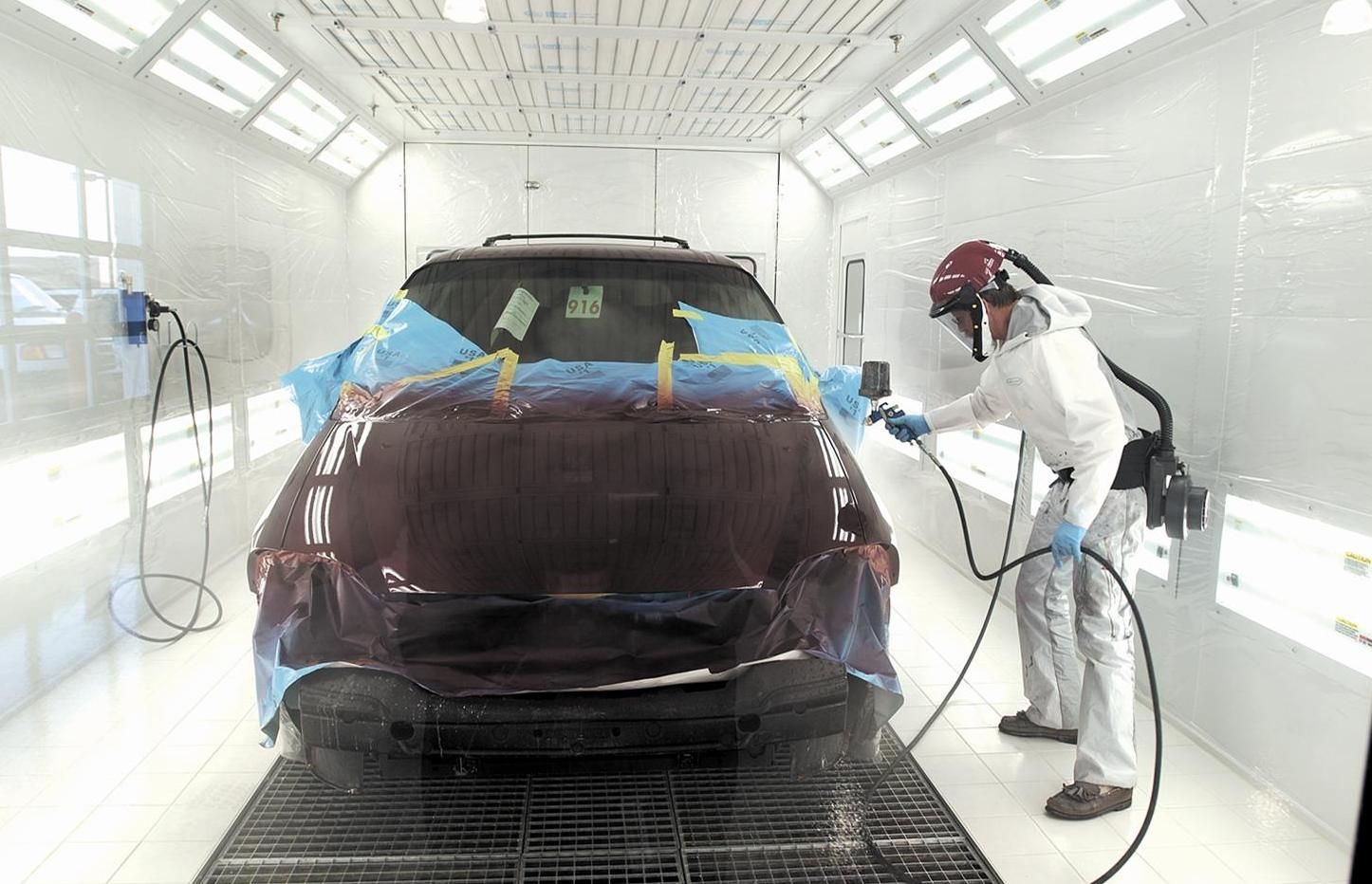
Car paint repair shops rely on specialized equipment and supplies to deliver high-quality services to their customers. In this section, we will discuss the types of paint guns and sprayers commonly used in car paint repair and touch-up services near your location.
Paint guns and sprayers are crucial tools in car paint repair shops, allowing technicians to apply a smooth, even coat of paint. These devices come in various types, each with its unique characteristics and applications.
Type of Paint Guns and Sprayers Used in Car Paint Repair
The choice of paint gun or sprayer depends on the specific repair job, the type of paint being used, and the technician’s personal preference. Here are some of the most common types of paint guns and sprayers used in car paint repair:
- Airbrushes: These small, handheld devices use compressed air to spray paint in fine, delicate patterns. They are ideal for touch-ups, small repairs, and creating intricate designs.
- Hopper Guns: These guns have a built-in container that holds the paint, allowing for continuous spraying without interruption. They are commonly used for larger repair jobs and can be adjusted to spray a variety of paint viscosities.
- HVLP (High-Velocity Low-Pressure) Guns: These guns use a combination of compressed air and low-pressure flow to atomize the paint, creating a smooth, even finish. They are ideal for spraying large areas and are commonly used in auto body shops.
- LVLP (Low-Velocity Low-Pressure) Guns: These guns use a low-pressure flow to atomize the paint, creating a smooth finish. They are similar to HVLP guns but have a lower air pressure, making them suitable for smaller repair jobs.
Necessary Safety Equipment for Car Paint Repair Professionals
While working with paints and other chemicals, car paint repair professionals must wear protective gear to prevent exposure to hazardous materials. This includes:
- Masks: Paints and solvents can release harmful particles and fumes, so technicians wear masks to protect their lungs and respiratory system. Look for masks with filters that can capture particles and fumes.
- Goggles: Safety goggles protect the eyes from paint and chemical splatters, which can cause eye irritation and other injuries. Choose goggles with lenses made from scratch-resistant materials.
- Gloves: Latex or nitrile gloves provide a barrier between the skin and chemicals, preventing skin irritation and absorption. Opt for gloves with a thickness of at least 0.5 mm for protection.
- Suits: Paint suits or coveralls protect the skin from skin contact with chemicals. Look for suits made from cotton or a cotton-polyester blend, which can breathe easily and allow for ease of movement.
Remember, safety is paramount in car paint repair shops. By using the right equipment and supplies, technicians can ensure high-quality repairs while protecting themselves and their customers from harm.
Choosing the Right Paint for Your Vehicle’s Needs: Car Repair Paint Near Me
In the world of car paint repair, selecting the right paint is crucial for a successful outcome. With numerous options available, including original equipment manufacturer (OEM) paint and aftermarket paint, car owners may find themselves overwhelmed with choices. OEM paint is specifically designed by the vehicle’s manufacturer, while aftermarket paint is produced by third-party companies. Both options have their unique benefits and drawbacks, which we will explore in this section.
Main Differences Between OEM and Aftermarket Paint
When it comes to choosing between OEM and aftermarket paint, car owners should consider several factors, including the paint’s durability, color match, and cost.
- OEM paint is formulated to meet the exact specifications of the vehicle’s manufacturer, ensuring a precise color match and optimal performance.
- Aftermarket paint, on the other hand, may not perfectly match the factory color, although advancements in technology have improved the color accuracy of aftermarket products.
- OEM paint is generally more expensive than aftermarket paint, which can be a significant factor for car owners on a budget.
- Aftermarket paint, while often cheaper, may not offer the same level of durability and performance as OEM paint.
Benefits of High-Gloss and Matte Finishes
Car paint finishes come in a variety of sheens, including high-gloss, matte, and satin. Each finish has its unique benefits and drawbacks, which we will discuss below.
- High-gloss finishes give a vehicle a deep, reflective shine, making it more visually appealing. High-gloss finishes are often associated with luxury and high-performance vehicles.
- Matte finishes, on the other hand, provide a flat, non-reflective surface that reduces glare and makes it more difficult to see dirt and scratches.
- Satin finishes offer a balance between high-gloss and matte finishes, providing a subtle sheen without being too reflective.
Color Accuracy and Matching
Color accuracy and matching are critical factors when selecting paint for car repair or touch-up services. Both OEM and aftermarket paint offer color matching options, although OEM paint tends to be more accurate due to its proprietary formulation.
- OEM paint uses advanced color matching technology to ensure an exact match to the factory color.
- Aftermarket paint, while improving in color accuracy, may still not perfectly match the factory color.
- Some car owners may be able to achieve an accurate color match using aftermarket paint, especially if they have a paint code or code book for their vehicle.
Conclusion, Car repair paint near me
Choosing the right paint for your vehicle’s needs requires careful consideration of several factors, including OEM vs. aftermarket, high-gloss vs. matte finishes, and color accuracy. By understanding the benefits and drawbacks of each option, car owners can make an informed decision and achieve the best possible results for their vehicle’s paint repair or touch-up needs.
Understanding Car Paint Repair Estimates and Costs

When it comes to car paint repair, it’s essential to understand the costs involved to make an informed decision. Car paint repair estimates and costs can vary depending on several factors, including the type of damage, the size of the vehicle, and the location of the repair shop.
Car paint repair costs can range from a few hundred dollars to several thousand dollars, depending on the extent of the damage. For example, a small scratch on a vehicle’s bumper may cost around $50-$100 to repair, while a more extensive dent or scratch may cost $500-$1,000 or more.
Factors Affecting the Cost of Car Paint Repair Services
Several factors can affect the cost of car paint repair services near a user’s location. Here are some of the most significant factors to consider:
| Factors Affecting the Cost of Car Paint Repair Services | Estimated Cost Range (in USD) |
|---|---|
| Size of the vehicle | $500-$5,000 |
| Type of paint (base coat, clear coat, etc.) | $200-$2,000 |
| Location of the repair shop | $300-$3,000 |
| Complexity of the repair (small scratch, large dent, etc.) | $100-$1,000 |
These factors can impact the cost of car paint repair services in various ways, including the type and quality of paint used, the size and complexity of the repair, and the location of the repair shop. For example, a more extensive repair job may require more expensive paint and materials, while a simpler repair may only require basic paint and supplies.
It’s essential to obtain multiple estimates from reputable repair shops to ensure you’re getting a fair price for the repair.
Conclusive Thoughts
In conclusion, selecting the right car repair paint near me service involves considering various factors, including quality, equipment, paint options, and cost. By asking the right questions, doing your research, and checking online reviews, you can ensure your vehicle receives the best care. Remember to always choose a reputable and experienced service to get the job done right.
Question Bank
What is the average cost of a car paint repair?
The average cost of a car paint repair varies depending on the size and complexity of the job, but it can range from $300 to $10,000 or more.
What is the difference between OEM and aftermarket paint?
Original Equipment Manufacturer (OEM) paint is the exact paint used by the vehicle’s manufacturer, while aftermarket paint is a generic alternative that can be more affordable but may not match the original color.
How long does a car paint repair typically take?
The time it takes to complete a car paint repair can vary depending on the size and complexity of the job, but it can take anywhere from a few hours to several days or even weeks.
What is the best way to find a reputable car paint repair service?
The best way to find a reputable car paint repair service is to ask for referrals from friends or family members, check online reviews, and look for certifications from reputable organizations such as the Automotive Body Repair Association (ABRA).

