Dental lab technician jobs near me, the perfect opportunity to kick-start your career in the dental field. These highly skilled professionals play a crucial role in creating and customizing dental prosthetics, restorations, and other essential dental appliances for patients.
As a dental lab technician, you will have the chance to work closely with dental professionals, patients, and other lab personnel, ensuring that dental prosthetics and restorations are precise, safe, and of high quality. Whether you are interested in pursuing a career in digital dentistry or traditional laboratory settings, dental lab technician jobs near me offer a wide range of opportunities for professionals who value precision, teamwork, and continuous learning.
Exploring the Role of Dental Lab Technicians in Patient Care: Dental Lab Technician Jobs Near Me
Dental lab technicians play a vital role in ensuring the quality and safety of dental prosthetics and restorations for patients. With the increasing complexity of dental procedures and the demand for personalized care, dental lab technicians have become an integral part of the dental healthcare team.
Importance of Sterilization and Sanitation Procedures
Sterilization and sanitation procedures are crucial in the dental lab setting to prevent infection and ensure the quality of dental prosthetics and restorations. Dental lab technicians are responsible for maintaining a sterile environment by following strict protocols for cleaning, disinfecting, and sterilizing equipment and workspace. This includes the use of autoclaves, ultrasonic cleaners, and other specialized equipment to ensure that all surfaces and instruments are thoroughly cleaned and disinfected. Proper sterilization and sanitation procedures not only prevent infection but also help to maintain the quality of dental prosthetics and restorations.
Key Responsibilities of Dental Lab Technicians
Dental lab technicians are responsible for a wide range of tasks, including:
- Receiving, processing, and preparing dental impressions and models for fabrication.
- Creating dental prosthetics and restorations, such as crowns, bridges, dentures, and implants.
- Testing and evaluating the fit, function, and aesthetics of dental prosthetics and restorations.
- Collaborating with dental professionals to ensure that dental prosthetics and restorations meet patient needs and preferences.
- Maintaining accurate records and documentation of patient information and dental prosthetic production.
Dental lab technicians work closely with dental professionals to ensure that patients receive high-quality dental care. They communicate with patients to understand their needs and preferences, and work with dental professionals to ensure that dental prosthetics and restorations meet patient expectations.
A Typical Day in the Life of a Dental Lab Technician
A typical day in the life of a dental lab technician is fast-paced and varied. They may start their day by receiving and processing dental impressions and models, or by working on dental prosthetics and restorations. They may also spend time communicating with dental professionals and patients, or collaborating with other lab personnel to ensure that dental prosthetics and restorations meet patient needs and preferences. Throughout the day, dental lab technicians must maintain a sterile environment, follow strict protocols for sterilization and sanitation, and ensure that all dental prosthetics and restorations are of high quality and meet patient expectations.
Interactions with Dental Professionals, Patients, and Other Lab Personnel
Dental lab technicians interact with dental professionals, patients, and other lab personnel on a daily basis. They communicate with dental professionals to understand patient needs and preferences, and work closely with other lab personnel to ensure that dental prosthetics and restorations meet patient expectations. They may also interact with patients to understand their needs and preferences, and to provide education and support on dental prosthetics and restorations. These interactions are critical to ensuring that patients receive high-quality dental care and that dental prosthetics and restorations meet patient needs and preferences.
The Evolution of Dental Laboratory Technology and Materials
The field of dental laboratory technology has undergone significant transformations over the years, revolutionizing the way dental prosthetics and restorations are crafted. Advancements in technology and the introduction of new materials have improved the quality, precision, and durability of dental products. This evolution has greatly benefited patients, dentists, and dental laboratory technicians alike.
The incorporation of digital impression systems has streamlined the process of creating dental prosthetics. Digital impression systems use intraoral scanners to capture detailed images of the patient’s teeth and gums. These images are then transmitted to the dental laboratory, where the technician can use computer-aided design (CAD) software to create a precise model of the dental restoration. This process eliminates the need for messy impression materials and reduces the amount of time it takes to create a dental prosthesis.
Advancements in Digital Impression Systems
The development of digital impression systems has led to several key advantages:
- Improved accuracy: Digital impressions are more accurate than traditional impression materials, reducing the risk of errors and complications.
- Faster turnaround times: Digital impressions can be transmitted to the dental laboratory immediately, reducing the time it takes to create a dental prosthesis.
- Increased precision: Digital impressions can be refined and adjusted easily, ensuring a perfect fit for the patient’s teeth and gums.
The use of 3D printing technology has also revolutionized the field of dental laboratory technology. 3D printing allows dental laboratory technicians to create complex dental prosthetics, such as implants, abutments, and dentures, with a high degree of precision and accuracy. This technology has greatly improved the quality of dental prosthetics and has expanded the possibilities for dental restorations.
Benefits and Limitations of 3D Printing in Dental Laboratories
The advantages of 3D printing in dental laboratories include:
- Increased precision: 3D printing allows for the creation of complex dental prosthetics with a high degree of precision and accuracy.
- Improved efficiency: 3D printing reduces the time and labor required to create dental prosthetics.
- Increased customization: 3D printing allows for the creation of customized dental prosthetics that meet the specific needs of each patient.
However, 3D printing also has some limitations:
- Initial cost: 3D printing technology is still relatively expensive, making it inaccessible to some dental laboratories.
- Material limitations: The availability of dental materials suitable for 3D printing is limited, and new materials are still being developed.
- Training and expertise: Dental laboratory technicians require specialized training and expertise to operate 3D printing technology.
The Future of Dental Laboratory Technology
The future of dental laboratory technology holds great promise, with advancements in digital impression systems, 3D printing, and other technologies on the horizon. As these technologies continue to evolve, dental laboratory technicians can expect to see improved workflows, increased precision, and greater opportunities for customization and innovation.
Examples of Digital Impression Systems and 3D Printing in Dental Laboratories, Dental lab technician jobs near me
Several examples of digital impression systems and 3D printing in dental laboratories include:
| Digital Impression System | 3D Printing Technology |
|---|---|
| OrthoCAD | |
| CAD/CAM systems |
The Intersection of Dental Lab and Digital Technology

The integration of digital technologies has revolutionized the dental lab workflow, enabling greater precision and efficiency in the fabrication of dental restorations. Computer-aided design (CAD) software and intraoral scanners have transformed the way dental lab technicians work, allowing for faster and more accurate production of dental models and restorations.
Computer-Aided Design (CAD) Software
CAD software has become an essential tool in the dental lab, enabling technicians to design and fabricate dental restorations with precision and accuracy. This software allows technicians to create digital models of teeth and surrounding tissues, which can be used to design and manufacture custom dental restorations such as crowns, bridges, and dentures. The use of CAD software has reduced the time and labor required to produce dental restorations, allowing technicians to work more efficiently and effectively.
- The CAD software allows technicians to design and simulate dental restorations before they are manufactured, reducing the risk of errors and improving the accuracy of the final product.
- The software can be used to create custom dental restorations with complex shapes and designs, such as bridges and dentures, that would be difficult or impossible to produce using traditional techniques.
- The use of CAD software has improved the quality and consistency of dental restorations, reducing the risk of defects and improving patient satisfaction.
Intraoral Scanning and 3D Printing
Intraoral scanners have become a popular tool in the dental lab, allowing technicians to capture high-resolution digital models of teeth and surrounding tissues with ease. These scanners use light to capture detailed 3D images of the teeth and surrounding tissues, which can be used to design and manufacture custom dental restorations. The use of intraoral scanners has improved the accuracy and efficiency of the dental lab workflow, enabling technicians to work more precisely and effectively.
- Intraoral scanners allow technicians to capture high-resolution digital models of teeth and surrounding tissues, reducing the risk of errors and improving the accuracy of the final product.
- The use of intraoral scanners has improved the speed and efficiency of the dental lab workflow, enabling technicians to work more quickly and effectively.
- Intraoral scanners have improved the quality and consistency of dental restorations, reducing the risk of defects and improving patient satisfaction.
The Future of Digital Technology in Dental Labs
The integration of digital technologies has transformed the dental lab workflow, enabling greater precision and efficiency in the fabrication of dental restorations. The use of CAD software, intraoral scanners, and 3D printing has improved the accuracy and consistency of dental restorations, reducing the risk of defects and improving patient satisfaction. As technology continues to evolve, we can expect to see even more innovative applications of digital technology in the dental lab field.
The integration of digital technologies has created new opportunities for dental lab technicians to work more precisely and effectively, improving the quality and consistency of dental restorations and enhancing patient outcomes.
Advantages and Limitations of Digital Scanning and 3D Printing
Digital scanning and 3D printing have several advantages, including improved accuracy and efficiency, reduced risk of errors, and improved quality and consistency of dental restorations. However, there are also some limitations, including the cost of the equipment and software, the need for specialized training, and the potential for errors or defects in the final product.
| Advantages | Limitations |
|---|---|
| Improved accuracy and efficiency | Cost of equipment and software |
| Reduced risk of errors | Need for specialized training |
| Improved quality and consistency of dental restorations | Potential for errors or defects in final product |
Navigating the Job Market for Dental Lab Technicians
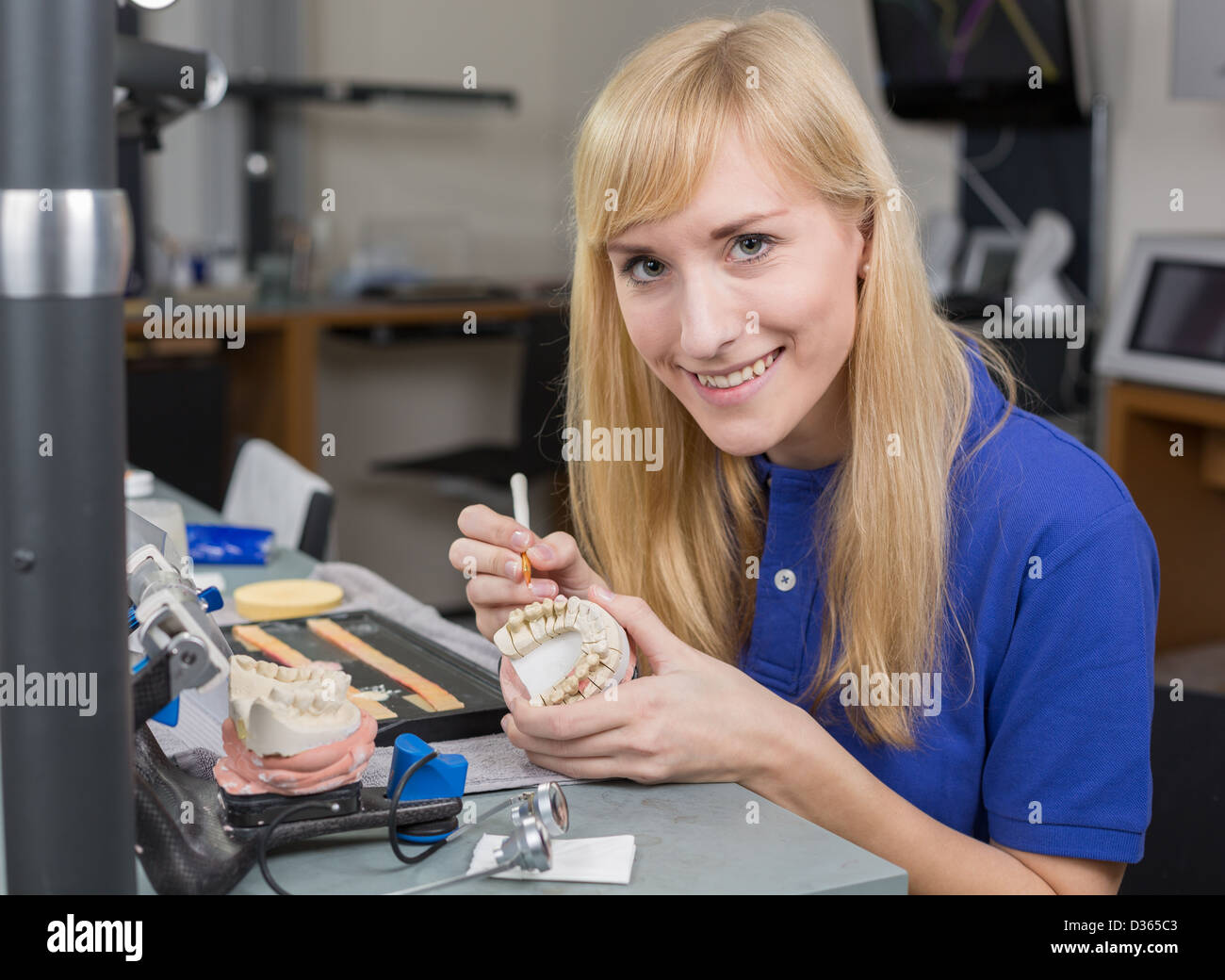
Navigating the job market for dental lab technicians can be a complex and challenging process. To succeed, it is essential to have a comprehensive understanding of the required education, skills, and certifications. In this section, we will explore the job requirements and qualifications for dental lab technicians, highlighting the importance of continuing education and professional development.
Education and Training
Dental lab technicians typically require a formal education in dental technology, which can be obtained through a variety of programs including certificate, associate’s, or bachelor’s degrees. These programs provide students with hands-on training and instruction in dental materials, laboratory procedures, and patient care. Many schools also offer specializations in areas such as orthodontics, prosthetics, and ceramics.
- Certificate programs in dental technology typically take one year to complete.
- Associate’s degree programs in dental technology can take two years to complete.
- Bachelor’s degree programs in dental technology can take four years to complete.
Skills and Certifications
Dental lab technicians must possess a range of skills, including attention to detail, manual dexterity, and the ability to work accurately under pressure. They must also be familiar with a variety of dental materials, including acrylics, ceramics, and metals. Several certifications are available for dental lab technicians, including the Certified Dental Technician (CDT) credential offered by the National Board for Certification in Dental Technology (NBC). This certification requires passing an examination and completing a minimum of two years of work experience in a dental laboratory.
- The CDT credential is offered by the NBC and is recognized as the standard for dental lab technicians.
- The CDT credential requires passing an examination and completing a minimum of two years of work experience in a dental laboratory.
Continuing Education and Professional Development
The field of dental technology is constantly evolving, with new materials and techniques being developed regularly. To stay current, dental lab technicians must commit to ongoing education and professional development. This can include attending workshops and conferences, participating in online forums and discussions, and staying up-to-date on the latest research and developments in the field. By doing so, dental lab technicians can ensure that they remain competent and continue to provide high-quality patient care.
Building Relationships with Dental Professionals and Patients
Effective communication and collaboration are crucial components of delivering high-quality patient care in the dental field. As a dental lab technician, building strong relationships with dental professionals and patients is essential for success in this role. By working closely with dentists and patients, dental lab technicians can create personalized treatments that meet the unique needs of each patient.
Dental Professional Relationships
Dental lab technicians must develop a professional and respectful relationship with dentists and other healthcare providers to ensure seamless communication and coordination of patient care. This requires strong communication skills, attention to detail, and a willingness to work collaboratively with others.
- Develop a professional and respectful demeanor:
- Establish open and clear communication:
- Foster a culture of collaboration:
This involves maintaining a respectful tone in written and verbal communication, being punctual for meetings, and returning phone calls and emails in a timely manner.
This involves asking questions to clarify requirements, providing prompt responses to dentist inquiries, and sharing concerns or issues in a constructive manner.
This involves working together with dentists to achieve shared goals, sharing knowledge and expertise, and celebrating successes and challenges.
Patient Relationships
Dental lab technicians play a vital role in the overall patient experience, and building strong relationships with patients is essential for delivering high-quality care. By communicating effectively with patients, dental lab technicians can provide personalized treatments and promote trust and confidence.
- Awareness of Patient Needs:
- Clear Communication:
- Empathy and Understanding:
Dental lab technicians must be sensitive to the unique needs and preferences of each patient, including their dental history, medical conditions, and personal circumstances.
Dental lab technicians should communicate effectively with patients to explain treatment options, discuss their role in the treatment process, and provide updates on their progress.
Dental lab technicians should demonstrate empathy and understanding towards patients, addressing their concerns and fears in a compassionate and supportive manner.
Successful Patient Outcomes and Case Studies
Dental lab technicians can achieve significant success in patient care by building strong relationships with dental professionals and patients. By working collaboratively and communicating effectively, dental lab technicians can create personalized treatments that meet the unique needs of each patient.
When patients feel comfortable and informed throughout the treatment process, they are more likely to achieve successful outcomes and have a positive experience.
Examples of successful patient outcomes include:
- A patient with a complex dental issue, such as a severe gum infection, who receives personalized treatment recommendations and sees significant improvement in their oral health.
- A patient who undergoes a restorative procedure, such as a dental crown or bridge, and experiences minimal disruption to their daily routine and high satisfaction with the final result.
Career Advancement and Professional Development Opportunities for Dental Lab Technicians
As a dental lab technician, career advancement opportunities are plentiful, and with the right skills and knowledge, you can take your career to new heights. From supervisory to management roles, specialized positions, and certification programs, the possibilities are vast. In this section, we’ll explore the various career paths available to dental lab technicians and provide you with the information you need to pursue them.
Supervisory and Management Roles
With experience and a proven track record, dental lab technicians can move into supervisory or management roles, overseeing a team of technicians and guiding them in their work. In these roles, you’ll be responsible for scheduling, workflow, and quality control, as well as mentoring and training new technicians. For example, the American Dental Association (ADA) certifies dental laboratory managers who have demonstrated expertise in laboratory management and leadership.
Certification Programs
To advance your career, consider pursuing certifications through organizations like the National Board for Certification in Dental Technology (NBCDT) or the American Dental Association (ADA). These certifications demonstrate your expertise and commitment to the field, making you more attractive to potential employers and opening up new career opportunities. For instance, the NBCDT offers certifications in dental technology, dental materials, and dental laboratory management.
- Dental Technology Certification:
- This certification is designed for technicians who have completed a program in dental technology and have relevant work experience.
- It demonstrates your ability to design and create dental appliances and devices.
- Dental Materials Certification:
- This certification focuses on the use and manipulation of various dental materials.
- It’s ideal for technicians working in a laboratory setting or those interested in dental sales or education.
- Dental Laboratory Management Certification:
- This certification is geared towards technicians who have supervisory or management responsibilities.
- It covers topics like quality control, workflow, and staff management.
Specialized Roles
In addition to supervisory and management positions, dental lab technicians can also pursue specialized roles that leverage their skills and experience. For example, technicians with expertise in prosthetics, implants, or orthodontics can move into positions focused on these areas. The ADA offers specialized certifications for technicians working in these areas, such as the Certified Dental Technician in Prosthetics (CDT-P) or the Certified Dental Technician in Orthodontic Technologies (CDT-O).
Staying current with industry developments and best practices is crucial for career advancement and professional development. Attend conferences, workshops, and online courses to expand your knowledge and skills.
Conclusive Thoughts
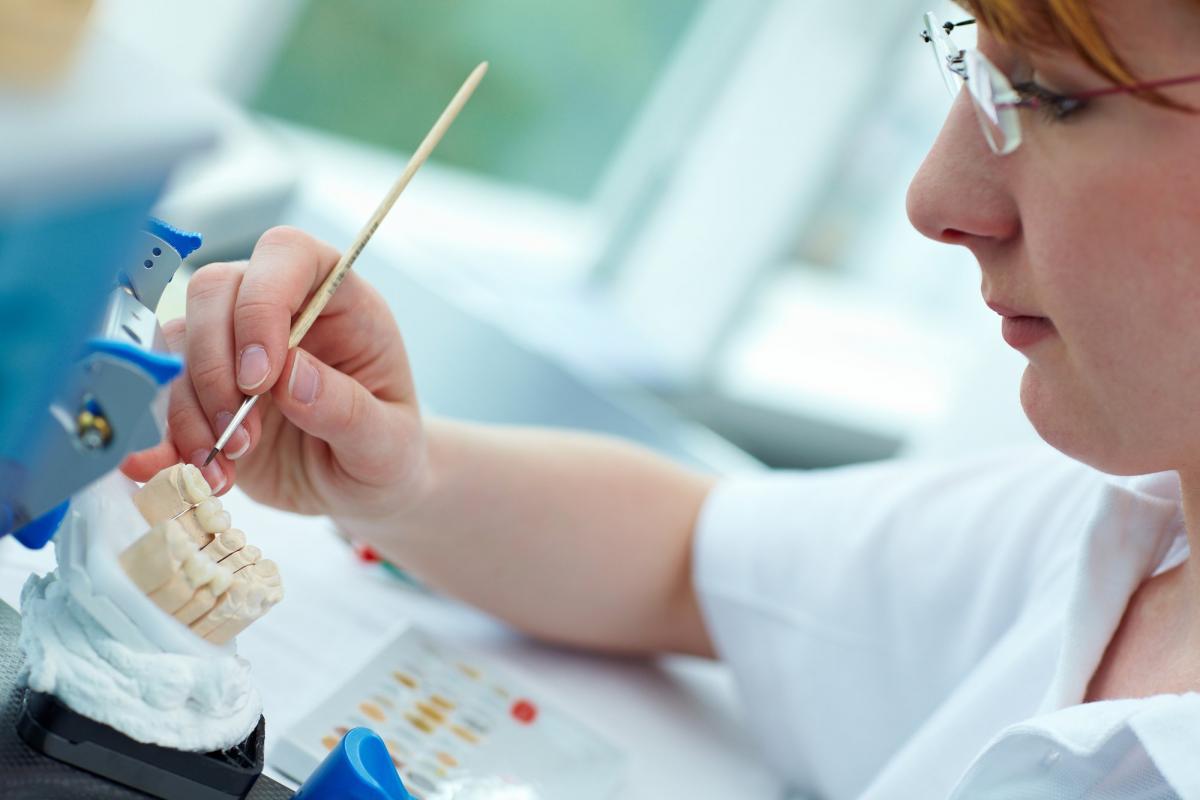
Whether you are just starting your career in dentistry or looking to advance in this field, dental lab technician jobs near me will provide you with the opportunity to apply your skills and knowledge to real-world scenarios. As technology continues to advance and evolve, the demand for skilled dental lab technicians will only grow. So don’t wait any longer, start exploring dental lab technician jobs near me and discover a career that will challenge and reward you.
FAQ Summary
What skills are required to become a dental lab technician?
Dental lab technicians require excellent hand-eye coordination, fine motor skills, and attention to detail. They must also be knowledgeable about dental terminology, laboratory procedures, and sterilization techniques.
How do I get started as a dental lab technician?
Most dental lab technicians begin their careers by completing a formal education program in dental technology or a related field. They must also obtain certification and/or licensure in their state and stay up-to-date with industry developments and best practices.
What are the benefits of working as a dental lab technician?
Dental lab technicians can enjoy a range of benefits, including job security, competitive salaries, opportunities for advancement, and the chance to work closely with dental professionals and patients.

