Delving into jawline filler near me, this introduction immerses readers in a unique and compelling narrative that combines the importance of a well-defined jawline with the benefits of facial aesthetic treatments.
A well-defined jawline is not just a matter of aesthetics; it also plays a crucial role in our self-confidence and overall facial profile.
Understanding the Importance of a Well-defined Jawline: Jawline Filler Near Me
A well-defined jawline is the epitome of facial masculinity, evoking images of strength, confidence, and authority. It’s no wonder that a strong jawline has become an obsession for many in the world of aesthetics. But what makes a well-defined jawline so crucial for facial aesthetics and overall self-confidence?
A well-defined jawline plays a crucial role in facial aesthetics, as it serves as the foundation upon which the entire face is built. It’s a defining feature that can make or break an individual’s appearance, influencing how they are perceived by others. A strong jawline can add years to one’s appearance, giving the illusion of youth and vitality.
Compelling Reasons for a Well-defined Jawline
A well-defined jawline has numerous benefits, including:
- A strong jawline can make an individual appear more confident and self-assured, as it is often associated with feelings of power and authority.
- A well-defined jawline can significantly enhance an individual’s facial attractiveness, making them more appealing to others.
- A strong jawline can also improve an individual’s overall health and well-being, as it is often linked to a lower risk of chronic diseases such as heart disease and diabetes.
Recent Studies and Surveys, Jawline filler near me
Recent studies have highlighted the significance of a well-defined jawline in making a good impression. For instance:
- A study published in the Journal of Cosmetic Dermatology found that individuals with a strong jawline were perceived as more attractive and confident than those with a weak jawline.
- A survey conducted by the American Academy of Facial Plastic and Reconstructive Surgery found that a strong jawline was considered the third most important facial feature when it comes to attractiveness.
Psychological Impact of a Defined Jawline
Having a well-defined jawline can have a significant impact on one’s self-esteem and social interactions. A strong jawline can:
- Boost an individual’s self-confidence, making them feel more attractive and appealing to others.
- Improve an individual’s social interactions, as a well-defined jawline can make them appear more approachable and friendly.
- Enhance an individual’s overall well-being, as a strong jawline can contribute to feelings of self-assurance and self-worth.
How Jawline Fillers Work: A Comprehensive Explanation
Jawline fillers have revolutionized the realm of aesthetic medicine, empowering individuals to redefine their facial contours with unparalleled precision. This transformative injectable treatment has garnered significant attention, leaving millions to wonder how it works its magic.
Jawline fillers are a non-invasive, minimally invasive cosmetic procedure utilizing dermal fillers to restore lost volume and redefine the jawline. The process involves injecting a gel-like substance, primarily containing hyaluronic acid, into strategic areas along the jawline. This stimulates collagen production, filling in wrinkles, and creating a more defined and chiseled appearance. The filler works by attracting and retaining water, thereby plumping up the area, making it appear more voluminous and youthful.
Step-by-Step Guide to Administering Jawline Fillers
Administering jawline fillers is a multi-step process that requires precision and attention to detail. Here’s a breakdown of the pre-treatment and post-treatment care, as well as the procedure itself:
1. Pre-treatment Preparation:
The individual undergoing the treatment will be asked to sit comfortably and relax. A numbing cream may be applied to the area to minimize discomfort. A local anesthetic can also be used to further reduce any pain or discomfort.
2. Marking the Treatment Area:
Before starting the procedure, the dermatologist or aesthetic practitioner marks the area where the filler will be injected. This ensures that the treatment is administered accurately and evenly.
3. Injecting the Filler:
A thin needle is used to inject the dermal filler into the marked areas of the jawline. The practitioner will carefully manipulate the needle under the skin to achieve the desired effect.
4. Massaging the Filler:
After the filler is injected, the practitioner will gently massage the area to distribute the filler evenly and minimize lumps or bumps.
5. Post-treatment Care:
Following the procedure, the individual should avoid strenuous activities, excessive sun exposure, and avoid making facial expressions that could displace the filler.
Types of Jawline Fillers
Several types of jawline fillers are currently available in the market, each offering unique benefits and advantages. Here are three of the most popular types:
- Radiesse: A calcium-based filler, which stimulates collagen production and lasts up to 18 months.
Made from microspheres of calcium hydroxylapatite, this filler stimulates collagen production, giving it a more youthful appearance. -
“Juvederm Voluma
is a hyaluronic acid-based filler, which is specifically designed to restore lost volume in the cheek and jawline, giving a more defined and chiseled appearance.” – Aesthetic Practitioner
This filler works by attracting water and hydrating the skin, giving a smooth and radiant appearance. - Sculptra Aesthetic: This filler works by stimulating collagen production, allowing it to last up to two years. Made from polylactic acid, this filler gives a more natural look and can be used for several areas of the face.
- Belotero Balance: A hyaluronic acid-based filler, which is specifically designed to restore lost volume in the jawline and provide a smooth and natural-looking appearance.
- Avoid blood-thinning medications, such as aspirin, ibuprofen, or warfarin, at least two weeks prior to the treatment to minimize the risk of bruising and bleeding. Consult your doctor if you’re taking any medications.
- Eat a nutritious diet rich in fruits, vegetables, whole grains, and lean proteins to ensure your body is in optimal condition for the procedure. A well-balanced diet will help promote collagen production and accelerate the healing process.
- Drink plenty of water to maintain adequate hydration and prevent dehydration, which can lead to swelling, bruising, and other complications.
- Engage in light exercise, such as yoga or walking, to improve circulation and reduce muscle tension. Avoid strenuous activities, including heavy lifting, bending, or high-impact exercises, which can exacerbate swelling.
- Get plenty of sleep to allow your body to rest and recover from the procedure’s physical demands.
- Arrival and Check-In: Plan to arrive 15-30 minutes before your scheduled appointment time to complete any necessary paperwork and get settled.
- Consultation and Discussion: Your practitioner will review your medical history, discuss your goals and expectations, and address any concerns you may have.
- Treatment Duration: The actual treatment procedure typically lasts between 15-60 minutes, depending on the extent of the filler material used and the complexity of the treatment area.
- Follow-Up Appointments: Schedule follow-up appointments with your practitioner to assess the treatment’s progress, address any concerns, and make any necessary adjustments.
- The practitioner will review and obtain your consent before proceeding with the procedure.
- Local anesthesia or a topical numbing cream may be applied to minimize discomfort and ensure a pain-free experience.
- The practitioner will use a sterile syringe to administer the filler material.
- Compression garments or bandages may be provided to minimize swelling and bruising.
- Follow-up appointment reminders and aftercare instructions will be provided to ensure optimal results and a smooth recovery.
- Applying ice packs: As mentioned earlier, using ice packs on the affected area can help reduce swelling and alleviate pain.
- Compression: Wearing a compression bandage or garment can help reduce swelling and promote healing.
- Elevation: Sleeping with your head elevated on an extra pillow can help reduce fluid buildup and minimize swelling.
- Avoiding strenuous activities: Refraining from heavy lifting, bending, or strenuous exercise can help minimize bruising and swelling.
- Avoiding blood-thinning medications: Taking medications that thin your blood, such as aspirin or ibuprofen, can increase the risk of bruising and bleeding.
- Massaging the area: Gentle massage of the jawline can help promote blood flow and reduce swelling. However, be cautious not to overdo it, as excessive massage can cause further bruising.
- Diet: A diet rich in essential nutrients and vitamins, such as omega-3 fatty acids, vitamin C, and collagen-boosting nutrients like zinc and vitamin E, supports collagen production and collagen quality.
- Smoking: Smoking hampers blood circulation, which can slow down the healing process and lead to uneven results.
- Exercise: Regular exercise not only burns fat but also tightens facial muscles, accentuating the benefits of jawline fillers.
- Sun protection: Protecting your skin from UV damage by wearing sunscreen and avoiding excessive sun exposure will minimize collagen degradation and fine lines.
- Stress management: High stress levels can lead to increased muscle tension, which may compromise the results of jawline fillers.
- Sleep habits: Getting adequate sleep is essential for collagen production and overall skin health.
Preparing for Jawline Filler Procedures
To embark on the transformative journey of jawline fillers, it’s essential to prepare your body and mind for the treatment. This meticulous approach will not only ensure a smoother procedure but also guarantee optimal results. As you take the first step towards achieving the defined jawline you’ve always wanted, follow these expert tips to maximize your experience.
Essential Pre-Treatment Preparations
Before undergoing jawline fillers, it’s crucial to make a few lifestyle adjustments to enhance the treatment’s efficacy and minimize potential complications. A balanced diet, proper hydration, and regular exercise can significantly impact the outcome of your procedure.
Pre-Procedural Logistics
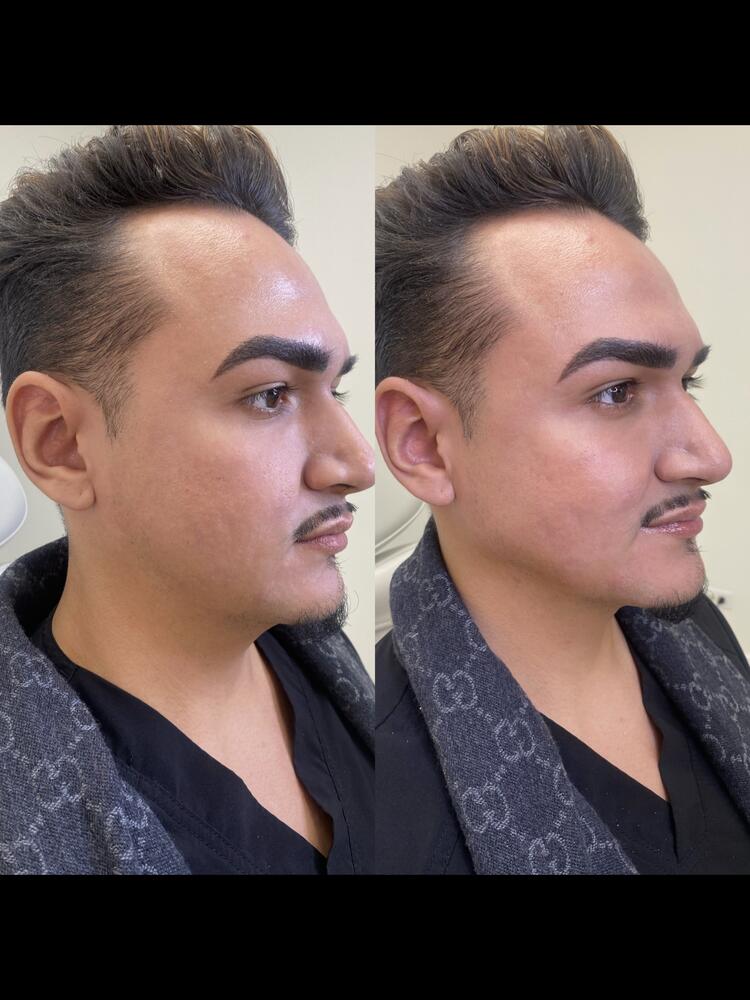
It’s essential to understand the logistics of your jawline filler procedure to ensure a smooth and seamless experience. From check-in to follow-up appointments, we’ve Artikeld a step-by-step guide to help you prepare.
Pre-Procedure Timeline
Plan your day accordingly to ensure you arrive well-rested and prepared for the treatment. Here’s a breakdown of what to expect during the procedure:
Materials to Expect
Before, during, and after the procedure, you can expect your practitioner to provide the following materials to ensure a safe and successful treatment:
What to Expect After Jawline Filler Procedures
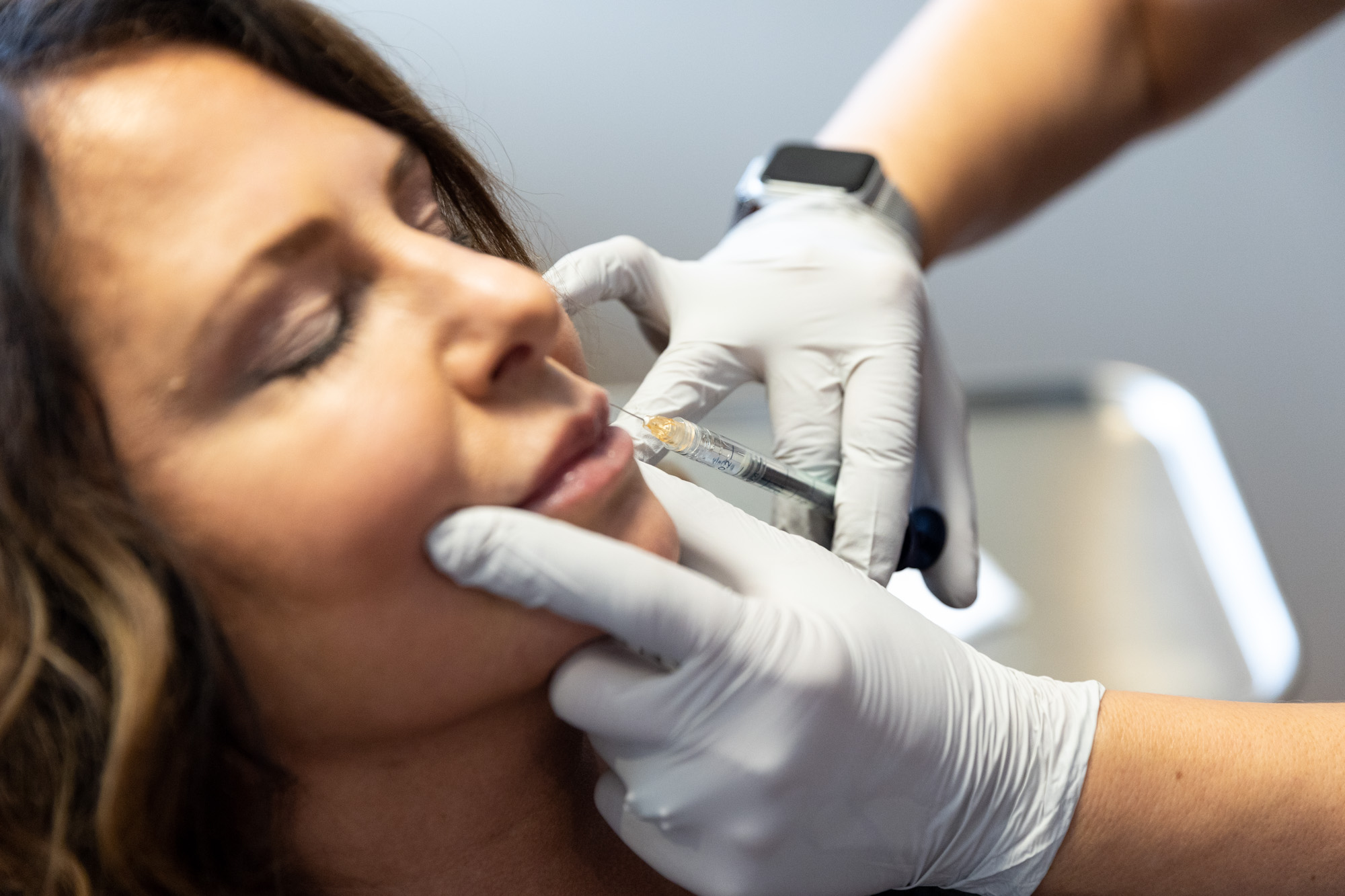
The road to achieving a well-defined jawline with jawline fillers is not just about the procedure itself, but also about what happens after it. As your body begins to recover, it’s essential to know what to expect and take the necessary steps to minimize potential side effects and ensure the desired results.
Recovery Process
The recovery process after jawline filler procedures typically takes a few days to a week, depending on various factors, including the individual’s overall health, the amount of filler used, and their lifestyle. During this time, it’s crucial to be gentle with your facial skin and follow your doctor’s instructions to minimize bruising and swelling.
The first 24 to 48 hours after the procedure are the most critical in terms of minimizing side effects. You may experience some swelling, redness, and bruising, which will gradually subside as your body heals. To alleviate these symptoms, apply an ice pack to the affected area for about 10-15 minutes at a time, with at least 30 minutes in between. You can also take over-the-counter pain medication and use a cold compress to reduce any discomfort.
Minimizing Bruising and Swelling
There are several ways to minimize bruising and swelling after jawline filler procedures, including:
By following these steps, you can minimize the risk of complications and ensure a smooth recovery.
Follow-up Appointments and Touch-ups
While the initial swelling and bruising will subside within a few days, it’s essential to attend follow-up appointments with your doctor to ensure the desired results and address any concerns. During these appointments, your doctor will assess the effectiveness of the filler and provide any necessary adjustments or touch-ups to maintain the desired jawline appearance.
It’s also crucial to maintain a healthy lifestyle, including a balanced diet and regular exercise, to support the health and beauty of your skin. This will not only enhance the results of your jawline fillers but also contribute to overall well-being.
In addition to maintaining a healthy lifestyle, it’s essential to schedule regular follow-up appointments with your doctor to monitor the effectiveness of the filler and address any concerns. This will ensure that you can maintain the desired jawline appearance and address any complications that may arise.
By following these steps and attending regular follow-up appointments, you can achieve a well-defined jawline and enjoy the full benefits of jawline fillers.
Jawline Fillers and Lifestyle
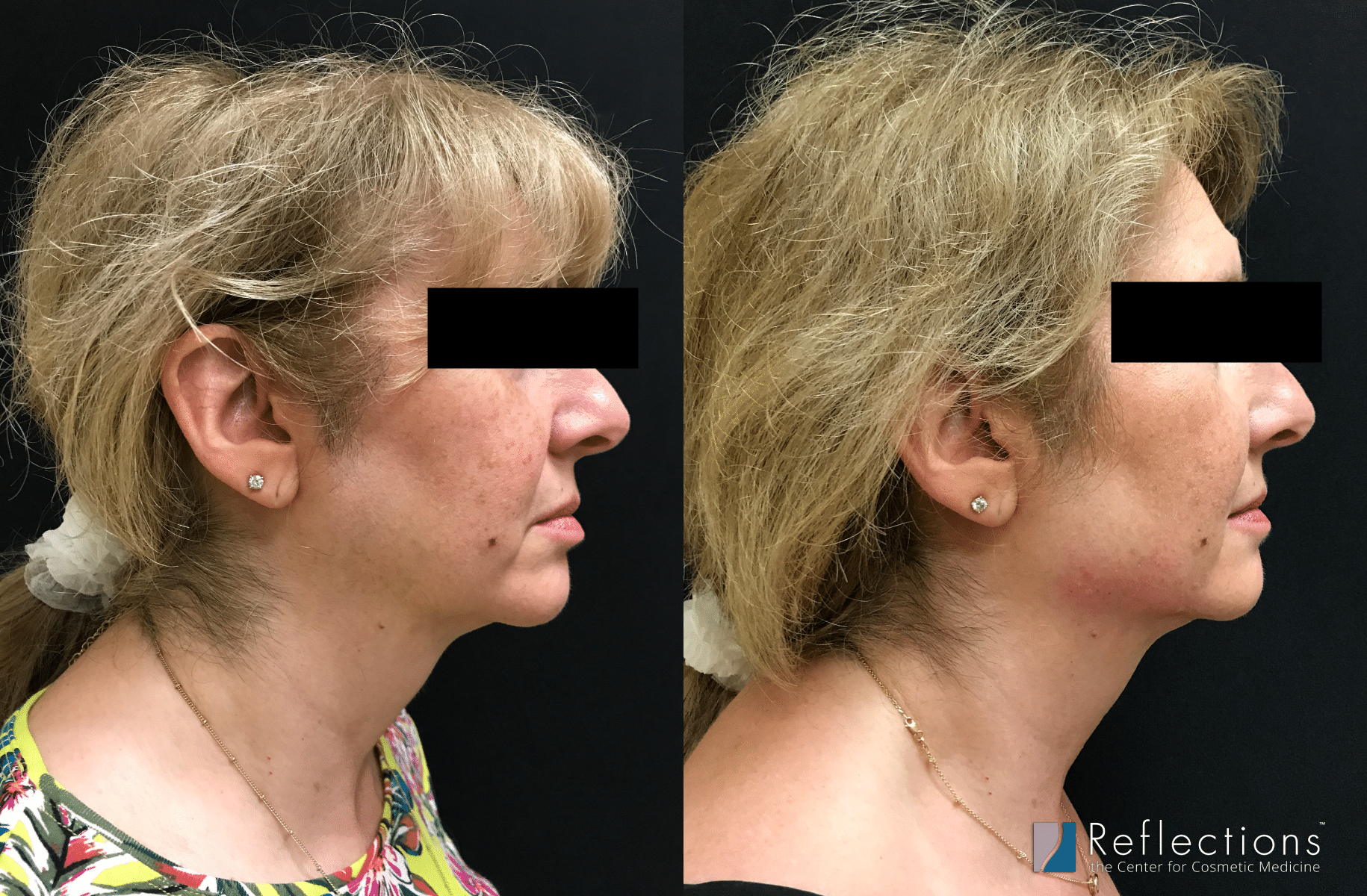
The delicate balance of jawline fillers and lifestyle is a harmonious symphony that requires attention to maintain a stunning, youthful appearance. As with any cosmetic treatment, the effectiveness and longevity of jawline fillers can be compromised by daily habits that may seem insignificant on their own but collectively contribute to a less-than-desirable outcome.
Daily habits like smoking, diet, and exercise play a significant role in the success of jawline fillers. Smoking, for instance, hampers blood circulation, which can slow down the healing process and lead to uneven results. A diet rich in essential nutrients and vitamins, conversely, supports collagen production, facilitating a smoother, more defined jawline. Regular exercise not only burns fat but also tightens facial muscles, accentuating the benefits of jawline fillers.
Combining Jawline Fillers with Other Cosmetic Treatments
When it comes to complementing jawline fillers with other cosmetic treatments, expert opinions vary. Some argue that combining jawline fillers with Botox can create a more balanced appearance, as Botox relaxes facial muscles while jawline fillers enhance facial definition. A study published in the Journal of Clinical and Aesthetic Dermatology (2018) reveals that the combination of jawline fillers and Botox results in a more pronounced facial rejuvenation.
Lifestyle Factors to Consider Before Undergoing Jawline Filler Procedures
Before undergoing jawline filler procedures, it is essential to consider the following lifestyle factors:
These lifestyle factors can make or break the effectiveness of jawline fillers, and being aware of them will help you make informed decisions about your treatment plan.
Final Thoughts
The conclusion emphasizes the significance of jawline fillers in achieving a more defined facial profile, highlighting their effectiveness and safety when administered by a qualified practitioner.
Ultimately, jawline fillers offer a non-invasive and relatively affordable solution for individuals seeking to enhance their facial appearance without resorting to surgical procedures.
FAQ
Q: What are the common side effects of jawline fillers?
A: Common side effects include bruising, swelling, redness, and mild discomfort at the injection site.
Q: How long do jawline fillers last?
A: The duration of jawline fillers can vary depending on the individual, but on average, they can last from 6 to 18 months.
Q: Can jawline fillers be used in conjunction with other cosmetic treatments?
A: Yes, jawline fillers can be combined with other cosmetic treatments like Botox, chemical peels, and facial contouring for enhanced results.

